

LABORATORY TESTING
Laboratory Testing of Soil, Concrete, Building, and Road Materials
Laboratory testing plays a vital role in the construction industry by ensuring the quality, safety, and durability of all materials used in projects. Whether it is soil, concrete, building components, or road construction materials, each requires thorough testing before use to meet engineering standards and deliver long-lasting results.
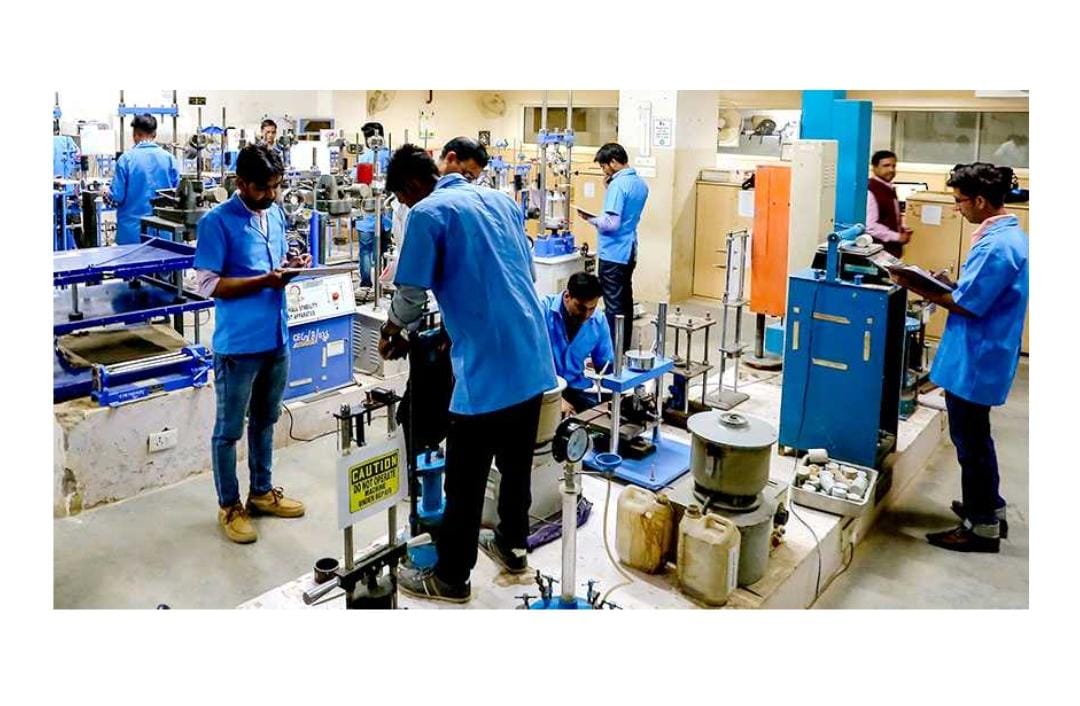
Soil Testing
Soil is the foundation of every structure, and its properties directly affect stability. Laboratory soil testing helps determine parameters like bearing capacity, moisture content, compaction, grain size distribution, permeability, and shear strength. These tests guide engineers in designing foundations, embankments, pavements, and earthworks with maximum safety and efficiency.
Concrete Testing
Concrete is the backbone of modern construction. Testing ensures that its strength, workability, and durability meet project requirements. Common laboratory tests include slump tests, compressive strength tests, flexural strength, and non-destructive testing. These tests confirm that the concrete mix design is accurate, durable, and capable of withstanding load and environmental conditions.
Building Material Testing
Laboratory testing of building materials such as cement, steel, bricks, aggregates, and tiles ensures compliance with IS codes and industry standards. Tests include tensile strength, compressive strength, water absorption, fire resistance, and chemical analysis. This process guarantees that every component used in construction contributes to the overall safety and sustainability of the structure.
Road Material Testing
In road construction, materials like bitumen, asphalt, aggregates, and subgrade soil must be tested for strength, durability, and load-bearing capacity. Specialized tests—such as the Marshal Stability test, bitumen content test, and aggregate impact test—are conducted to ensure long service life of pavements and highways.
In conclusion, laboratory testing is an essential quality control measure that minimizes risks, enhances durability, and ensures compliance with engineering standards for safe and sustainable infrastructure.